


 Modern Canna
Florida’s Office of Medical Marijuana Use (OMMU) has rolled out a new rule (64ER25-5) that imposes restrictions on marijuana delivery devices. This rule (which was adopted pursuant to section 381.986, Florida Statutes) directly impacts how Medical Marijuana Treatment Centers (MMTCs) handle vape pens, cartridges, and other delivery devices they provide to patients. We’ve put together the summary below to support MMTCs in making informed decisions around compliance and risk management. We summarize the key requirements of the rule (with direct quotes), explain what changes MMTCs should consider implementing by the effective date, and discuss why these changes matter for patient safety. We also offer guidance on achieving compliance, including how Modern Canna can help ensure your devices and packaging meet the new standards.
Modern Canna strongly supports Florida’s MMTCs and recognizes that frequent rule changes, especially those that affect product inventory, supply chains, and patient-facing SOPs, can present real operational and financial challenges. We believe the state of Florida is long overdue for an adult use program – but until that becomes reality, our current priority is helping MMTCs proactively manage risk, avoid costly recalls, and safeguard both their reputations and the trust of their patients.
Summary of Rule 64ER25-5 Requirements
1. Mandatory Device Approval by the OMMU: The rule requires an MMTC to obtain Department approval for each marijuana delivery device it intends to dispense. Approval is obtained by submitting a “Request for Marijuana Delivery Device Approval” form via the OMMU licensing portal, following the state’s variance process. In practice, this means every type of device (e.g. a specific vape pen model) must be vetted and approved by the OMMU before being sold or even listed on an MMTCs website. MMTCs should consider taking inventory of their current delivery devices and prepare the necessary documentation to seek approval for those they plan to keep offering.
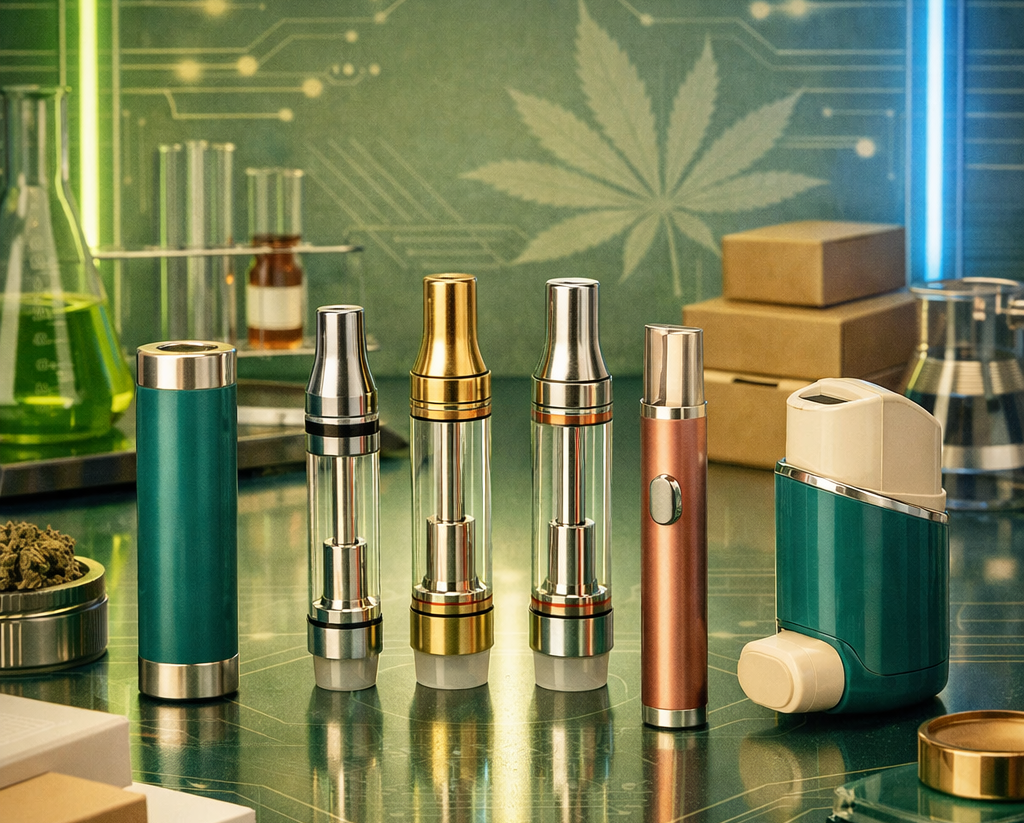
2. Strict Limits on Device Colors and Appearance: The new rule sets aesthetic and design standards aimed at keeping medical devices looking “medical” (professional and unappealing to children). Devices must be a single, solid color or clear (no multi-color designs or neon colors allowed). Small parts like buttons or mouthpieces can be a different solid color, but the overall look should be uniform and subdued. Furthermore, devices must not mimic commonly used household objects (for example, no vape battery shaped like a USB drive) and must not have any design that is attractive to children. In the rule’s own words: “A marijuana delivery device must not have an appearance, including shape, that is attractive to children or that promotes the recreational use of marijuana.” While we recognize the intent behind these design limitations, they may present challenges for MMTCs operating in tightly regulated, access-controlled retail environments. Many in the industry are hopeful that Florida will eventually adopt a well-structured adult use framework – one that balances safety with opportunities for more flexible, brand-forward product design. In the meantime, it’s important for MMTCs to begin assessing device colors, shapes, and labeling details to ensure alignment with the new rule.
3. Limited Branding and Labeling on Devices: Florida is also tightening what can be displayed on the device itself. Only very specific branding is allowed: “Marijuana delivery devices may only display the following and nothing else: (a) the MMTC’s Department-approved trade name and logo; (b) the name and logo of the device manufacturer; and (c) the name of the device.” Any other images, stickers, or text on the device are prohibited. Additionally, all text and logos on the device must be a single solid color. Crucially, “The text and logo…displayed on a marijuana delivery device must not be attractive to children or promote the recreational use of marijuana.” In short, think simple, professional, minimal branding. MMTCs will need to coordinate with device suppliers to ensure, for example, that only approved logos appear, perhaps engraved or printed in one color. Again, while we understand the intent behind these limitations, they may create added constraints for MMTCs. In a well-regulated adult use market, it’s possible to uphold safety standards while also allowing operators more room for creative, brand-forward product design.
 4. New Packaging and Labeling Requirements: The rule bridges device compliance with existing packaging rules for cannabis products. If a device is sold in direct contact with usable cannabis (for example, a pre-filled vape cartridge or a device pre-loaded with product), then its packaging must meet all the normal cannabis Packaging and Labeling rule requirements (child-resistant, universal symbol, etc.). For devices that do not come into direct contact with the product (say, a standalone vaporizer battery or an empty vaporizer), the MMTC must still affix a label to either the device or its packaging at the time of dispensing with basic identifying information. Specifically, the label must state: the dispensing MMTC’s name, the prescribing physician’s name, the date dispensed, and the patient’s name. This effectively ties each device to a specific patient purchase, much like how medical cannabis products are labeled. MMTCs will need to update their dispensing SOPs to include printing and attaching this label for every device sold.
5. Sales and Display Restrictions: The rule reiterates that devices are to be treated as medical items, not retail gadgets. MMTCs cannot display marijuana delivery devices in the waiting area of dispensaries, nor can devices be visible to the public from outside the facility (e.g. through windows or in any advertising visible externally). This means any displays should be in the secure dispensing area only, similar to how actual cannabis products are handled. Additionally, MMTCs may only dispense devices to qualified patients or their caregivers, and the device must be appropriate for the patient’s certified route of administration. (For example, an MMTC should not dispense a “smoking” device to a patient whose physician recommendation is only for vaporization.) Patients will not be able to legally buy delivery devices from MMTCs unless they have an active medical cannabis certification that calls for that type of device.
6. Recall Procedures for Unsafe Devices: Perhaps one of the most important provisions (and one that underscores why MMTCs should be vigilant about device quality) is the mandatory recall protocol. If an MMTC or the OMMU determines that a certain delivery device is unsafe for use, the MMTC must “immediately institute recall procedures”. This isn’t a voluntary guideline; it’s a requirement spelled out in the rule. The recall procedures must include: direct communication to all affected patients (anyone who received the device) and a press release to the general public. The rule even details what information must be in those communications, such as the device type and brand, why it’s being recalled, which dispensary locations sold it, the date range of sales, an instruction to stop using the device, how to return it, and contact info for the MMTC. In essence, if a defective vape pen or contaminated device slipped through, the MMTC is obligated to notify every patient who bought it (by email, phone, or letter) and announce it publicly on their website. This level of transparency is meant to protect patients, but it also can be costly and damaging to a company’s reputation. Therefore, MMTCs should take preventive steps now – test your devices for heavy metals and other hazards – to avoid ever triggering a recall. It’s worth noting that the rule references Florida Statutes §381.986(8)(e)11.d., which requires such recalls, showing that this has backing in state law as well.
7. Compliance Timeline (180 Day Phase-In): Recognizing that these changes are significant, the rule grants MMTCs 180 days from the effective date (December 22, 2025) to bring all devices into compliance. During this 180-day transition period, MMTCs can work on getting devices approved, swapping out non-compliant inventory, and updating labeling processes. However, after that grace period (approximately by June 20, 2026), any previously approved device that does not meet the new requirements can no longer be dispensed. MMTCs should use this window wisely – it’s a good idea to start the approval process for devices and to phase out products that you suspect might not get approved (for instance, anything that’s brightly multi-colored or resembles a common object).
Why These Changes Matter: Patient Safety and Industry Integrity
For many operators, rules like 64ER25-5 introduce additional layers of complexity – especially when implemented with limited runway. While the stated intent behind these changes is to enhance patient safety and product oversight, it’s equally important to acknowledge the operational impact on MMTCs. With that in mind, here are some of the ways these changes may affect (and potentially benefit) licensed operators and their patients.
-
Preventing Toxic Exposures: Over the past few years, concerns have grown about heavy metal leaching and chemical contamination from vape hardware. Many vape cartridges and devices contain metal components (heating elements, solder, etc.) that can introduce lead, cadmium, or other metals into the cannabis oil, especially when heated. By enforcing device approvals and quality standards, the OMMU aims to keep potentially unsafe devices out of patients’ hands. In fact, the OMMU’s own state lab in Jacksonville is now equipped to test marijuana products and possibly devices for contaminants – so MMTCs should expect increased scrutiny. Ultimately, patients will have more confidence in the devices sold by MMTCs.
-
Recall Readiness: In the rare event that a device is found to be unsafe (think of scenarios like a vape pen battery that is prone to catching fire, or a discovery of lead in a certain batch of cartridges), the rule’s recall provisions ensure a rapid response to protect patients. Patients can take comfort in the fact that if a product they bought is discovered to be dangerous, the MMTC must actively reach out to them and the public with instructions on what to do. This level of consumer protection is more akin to the pharmaceutical industry than the Wild West days of unregulated vaping products. It means Florida’s MMTCs need to have clear recall Standard Operating Procedures in place – and likely will be conducting more rigorous vendor qualification and product testing to avoid recalls altogether. From a patient perspective, this is a positive: the products you get from licensed dispensaries will be subject to oversight even after sale, and any hint of danger will trigger an immediate, transparent recall process. From the MMTC’s perspective, however, even a well-managed recall can be costly and damaging to brand trust – which is why early testing and preventative quality assurance are critical.
Compliance Steps for MMTCs: How to Prepare for June 20, 2026 and Beyond
Here’s a checklist of actions and how Modern Canna can assist:
-
Inventory Audit and Approval Submission: Immediately audit all delivery devices in your product lineup. Determine which ones need to be replaced or modified to meet the color/logo rules. For each device you intend to keep offering, gather the required information and submit the Device Approval Form to the OMMU. This may include details like the manufacturer, materials, usage instructions, etc. Modern Canna can support you by testing devices for compliance (e.g. verifying no unauthorized additives in “smoking devices” and providing data on heavy metal content), which you might include in your submission to bolster your case for approval.
-
Vendor Communication: If you source devices from third-party manufacturers, reach out to them about these new Florida-specific requirements. You may need to request custom versions of devices (for example, a vape pen model that normally comes in neon green might need to be produced in black for your purposes). Ensure that manufacturers understand branding must be limited. Many reputable device makers are familiar with differing state rules and can accommodate these needs. It’s wise to obtain documentation from manufacturers about the materials used in each device (to help with OMMU approval and your own peace of mind that, say, the heating element is lead-free). Modern Canna can perform materials testing on device components – for instance, we can analyze the metal composition of coil elements or solders to confirm they won’t leach lead above allowable limits.
-
Heavy Metal Leachability Testing: Engage a well respected lab like Modern Canna to test your vape cartridges and other relevant devices for heavy metal leaching before submitting them for approval or selling them under the new regime. As noted in our Packaging & Hardware Testing page (see Cannabis Packaging, Hardware, and Input Testing), we offer specialized heavy metal leach tests. By doing this, you can identify if any device is prone to leaching lead, cadmium, etc., and choose an alternative device or work with the manufacturer on corrections. Given the OMMU’s focus on safety, having lab reports on file showing your due diligence can be invaluable. It could prevent a scenario where the OMMU’s own spot-testing catches a problem you weren’t aware of. In short, testing now is far cheaper and safer than a recall later.
-
Update SOPs and Training: Develop new Standard Operating Procedures for your staff that incorporate these requirements. Train your dispensary teams that every device sold must receive the proper patient label at sale. Update patient education materials to reflect that devices will be labeled and that they should only use the device type recommended by their doctor. Also, create a Recall Procedure SOP aligned with the rule’s stipulations. This should include a notification template and an internal process for pulling inventory, contacting patients (you’ll need up-to-date patient contact info always on hand), issuing press releases, and disposing of returned devices per Rule 64-4.207 (which deals with waste). Modern Canna’s compliance consulting team can help review your SOPs to ensure they meet regulatory expectations.
-
Patient Communication: Proactively inform your patients about upcoming changes. For instance, patients might see that some popular devices are temporarily unavailable while you transition to compliant models – explain that this is to adhere to new state safety regulations. When patients come to purchase, they might notice their vaporizer looks simpler or has different packaging; train your staff to communicate that “This is part of the new rules to keep products safe and truly medical. We can only carry devices that meet strict state standards now.” Patients may appreciate knowing that extra safety measures are being taken. It reassures them that the program is maturing and that their well-being is the priority.
How Modern Canna Can Help Ensure Compliance
Modern Canna is here to support MMTCs through this transition. As a Florida-accredited Certified Marijuana Testing Laboratory (CMTL), we are intimately familiar with Rule 64ER25-5 and related regulations. Our services can assist you in multiple ways:
-
Pre-compliance Testing: We offer several different analytical tests for devices. If you’re unsure whether a device meets the “no additives, no contaminants” rule for smoking devices, we can analyze it for anything unwanted. We can also verify claims like “ceramic coil, no heavy metals” that vendors often make – giving you scientific evidence to provide to the OMMU if needed.
-
Documentation and Consultation: Modern Canna can provide documentation of all testing results, along with expert interpretation that you can use in your device approval requests or in the event the OMMU has questions. We stay up-to-date on Florida’s cannabis rules (our team has been involved in the industry since the early days of the Compassionate Use Act), so we can advise on best practices for compliance. Think of us as part of your compliance team – we don’t just hand over a lab report; we help you understand what it means and what to do next.
-
Ongoing Quality Assurance: Compliance isn’t a one-time thing. Even after you get devices approved and on the shelves, you should periodically test new batches of hardware – especially if you change suppliers or if the manufacturer alters their design. Modern Canna can set up a schedule for periodic auditing of your packaging and devices (much like routine product testing) to ensure continued adherence to standards. This way, if a supplier’s quality starts to slip, you’ll catch it early. Staying compliant means staying vigilant, and we’ll help you do that with minimal disruption to your operations.
What Patients Need to Know
 Here are the key takeaways for patients:
-
Safer Devices: The devices and hardware you purchase from licensed dispensaries will now be subject to stricter quality control. You might not notice a visible difference in safety, but behind the scenes, know that each device had to “prove” its safety to regulators. This reduces the risk of hardware-related adverse effects.
-
Recalls and Notifications: In the unlikely event that a device you’ve purchased is later found to be unsafe, you should be directly notified by the MMTC (via email, phone, or mail) and you’ll see public notices about it. The notice will tell you what to do (typically, to stop using the device and return it to the dispensary) and you’ll get instructions on how to get a replacement or refund. While no one wants to deal with a recall, this system ensures you won’t be left in the dark. Always make sure your dispensary has your current contact information on file so they can reach you if needed.
-
Follow Your Doctor’s Recommendations: The rule’s emphasis on matching devices to physician recommendations means you should use only the delivery methods your doctor has approved for you. If you think you need a different route (say you want to try vaporization but only have edibles on your recommendation), talk to your doctor to update your treatment plan. Patients and doctors need to be on the same page about delivery methods, and the state is enforcing that alignment.
Looking Ahead
Florida’s cannabis regulations continue to evolve with patient safety and product quality in mind. Rule 64ER25-5 is a step in tightening oversight on the “accessories” of medical marijuana, not just the cannabis itself. While the intent may be to increase accountability across the supply chain, from seed to sale to the device itself, the rollout of such rules can understandably raise concerns for MMTCs already operating under significant compliance pressure. There is growing industry speculation that the OMMU may begin random testing of in-store inventory (including delivery devices) at the state lab in Jacksonville.
MMTC operators who take compliance seriously and partner with reliable labs will not only avoid enforcement headaches but will also build trust with patients and the Department of Health. Modern Canna’s top priority is supporting operators as they navigate an increasingly complex regulatory environment. We’ve worked alongside MMTCs statewide to proactively test packaging, devices, and other plant-touching materials – to help identify risks early, avoid costly recalls, and preserve operational stability as rules continue to shift.
For more detailed information or to discuss testing services for your devices and packaging, please reach out to Modern Canna. And for those interested in the technical side of things, check out our in-depth page on Cannabis Packaging, Hardware, and Input Testing (linked above), as well as our previous blog on heavy metals in cannabis packaging materials.